How To Adjust Your Commercial Door Closer
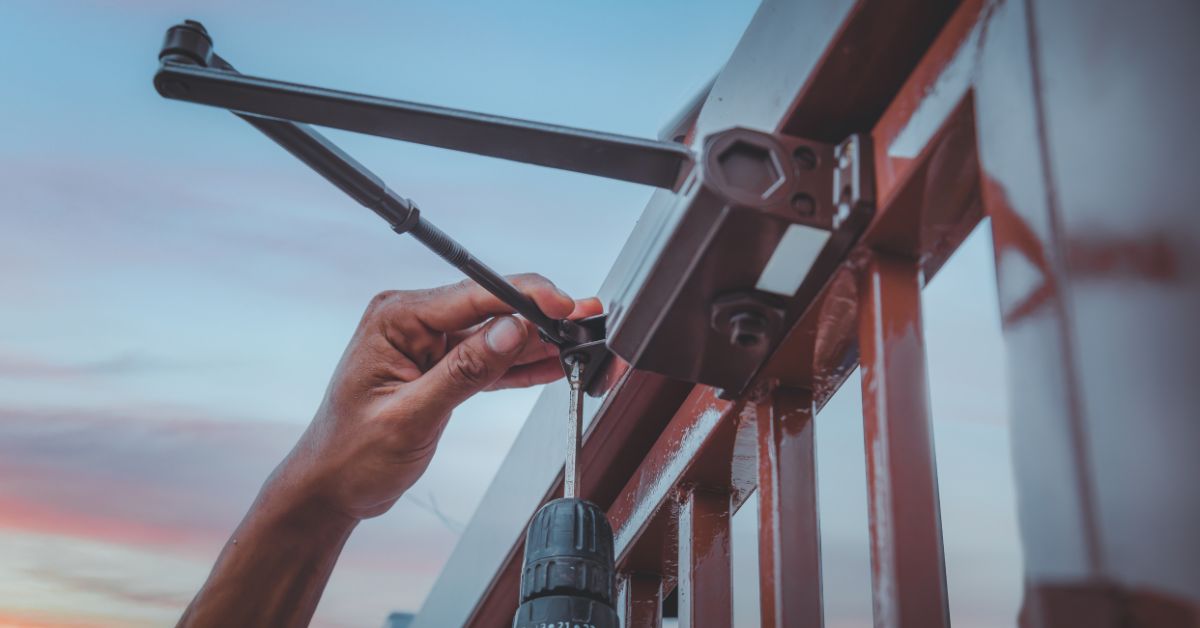
Have you ever noticed the smooth, controlled motion of a commercial door as it closes behind you? That seamless operation is the work of a commercial door closer. This small but mighty device ensures security, manages foot traffic, and maintains your building's energy efficiency.
But what happens when that smooth motion becomes a slam or a slow crawl? A poorly adjusted door closer can be more than just an annoyance; it can pose a safety risk and lead to higher energy bills.
Fortunately, adjusting a commercial door closer is a straightforward task that you can often handle without calling a professional. Understanding how to make these adjustments empowers you to maintain your facility's safety and functionality, ensuring every entrance and exit operates exactly as it should.
Understanding Your Commercial Door Closer
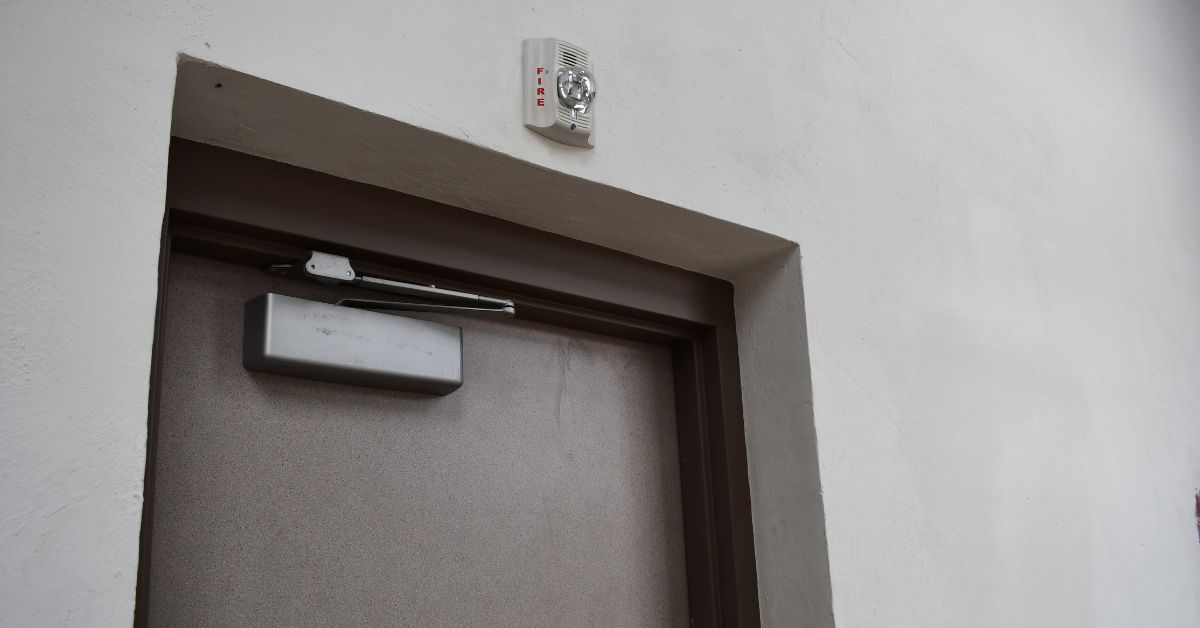
Before you start turning screws, it’s important to understand the basic components and functions of your door closer. Most commercial door closers are hydraulic devices mounted at the top of a door and its frame. They use pressurized fluid moving between chambers to control the door’s movement.
While designs vary between manufacturers, most closers feature a set of adjustment valves that regulate different aspects of the closing cycle.
What do these valves control? Let's break down the key functions:
- Swing speed (or sweep speed): This controls how fast the door closes from its fully open position to the final few inches.
- Latching speed: This governs the speed of the last few inches of closing, ensuring the door latches securely without slamming.
- Backcheck: This feature provides resistance when someone forcefully opens the door, preventing it from slamming against a wall or adjacent structure.
- Delayed action: This is an optional feature that holds the door open for a longer period before beginning its closing cycle, which is useful for accessibility.
- Spring power: This determines the force or "muscle" of the closer, which needs to be strong enough to close the door but not so strong that it’s difficult to open.
A specific valve controls each function, typically a small screw on the closer's body. The key to a successful adjustment is making small, incremental turns, often no more than a quarter-turn at a time.
A Step-by-Step Guide to Adjusting Your Door Closer
Ready to fine-tune your door? Grab a step ladder and the appropriate screwdriver or Allen wrench, and let’s get started. Remember to make small adjustments and test the door after each one.
1. Adjusting the Swing Speed
The swing speed, or sweep speed, is the most common adjustment. It controls the main closing arc of the door.
- Is the door closing too fast? You need to increase the hydraulic resistance.
- Is it closing too slowly? You need to decrease the resistance.
How to adjust:
- Locate the valve labeled "S" for Sweep or Speed.
- To slow the door down, turn the valve screw clockwise. This restricts the flow of hydraulic fluid.
- To speed the door up, turn the screw counterclockwise. This allows the fluid to flow more freely.
- Open the door fully and let it close to test the new speed. Repeat small adjustments until you achieve the desired motion—typically, a door should take about 5–7 seconds to close from 90 degrees.
2. Adjusting the Latching Speed
The latching speed controls the final 10–15 degrees of the door's movement. A correct latching speed ensures the door clicks securely into the frame.
- Is the door slamming shut? The latching speed is too fast.
- Is it not closing completely? The latching speed is too slow to overcome the latch bolt.
How to adjust:
- Find the valve marked with an "L" for Latch.
- Turn the screw clockwise to slow the latching speed and prevent slamming.
- Turn it counterclockwise to increase the speed, ensuring the door latches properly.
- Test by opening the door just a foot or so and letting it close. It should close firmly without a loud bang.
3. Adjusting the Backcheck
The backcheck function acts as a cushion if the door is thrown open with excessive force, preventing damage to the wall and the door closer itself.
- Does the door fly open and hit the wall? The backcheck needs to be increased.
- Is the door hard to open beyond a certain point? The backcheck might be set too high.
How to adjust:
- Identify the valve labeled "BC" for Backcheck.
- Turn the screw clockwise to increase the cushioning effect. This will offer more resistance as the door approaches its fully open position.
- Turn it counterclockwise to decrease the resistance.
- Test the adjustment by opening the door with varying degrees of force. It should feel cushioned, not stiff.
4. Adjusting the Spring Power
Adjusting the spring power is less common and may not be necessary unless you're dealing with a new installation or significant environmental changes (like strong drafts). The spring provides the force needed to close the door.
How to adjust:
The method for adjusting spring power varies by model. Some closers have a large adjustment nut on one end.
- Refer to your closer’s manual to identify the correct adjustment method.
- Typically, turning the adjustment nut clockwise increases the spring tension, providing more closing force.
- Turning it counterclockwise decreases the tension, making the door easier to open.
- Caution: Do not decrease the spring power so much that the door fails to close and latch reliably. ADA guidelines require an interior door to have an opening force of no more than 5 pounds.
Choosing High-Quality Door Parts
When it comes to maintaining or replacing door components, investing in high-quality parts is crucial for ensuring long-term functionality and safety. Premium door operators and accessories are designed to withstand heavy use, resist wear and tear, and provide reliable performance over time. Opting for subpar items might save costs initially, but they can lead to frequent malfunctions, higher maintenance costs, and even safety hazards.
Door Hub offers a variety of door operators that can help you adjust your door's opening and closing speeds. From surface closers to door closer mounting plates, we have everything you need to maintain your doors without. Browse our catalog to find the right door operators for your business.
Maintain Your Doors, Secure Your Business
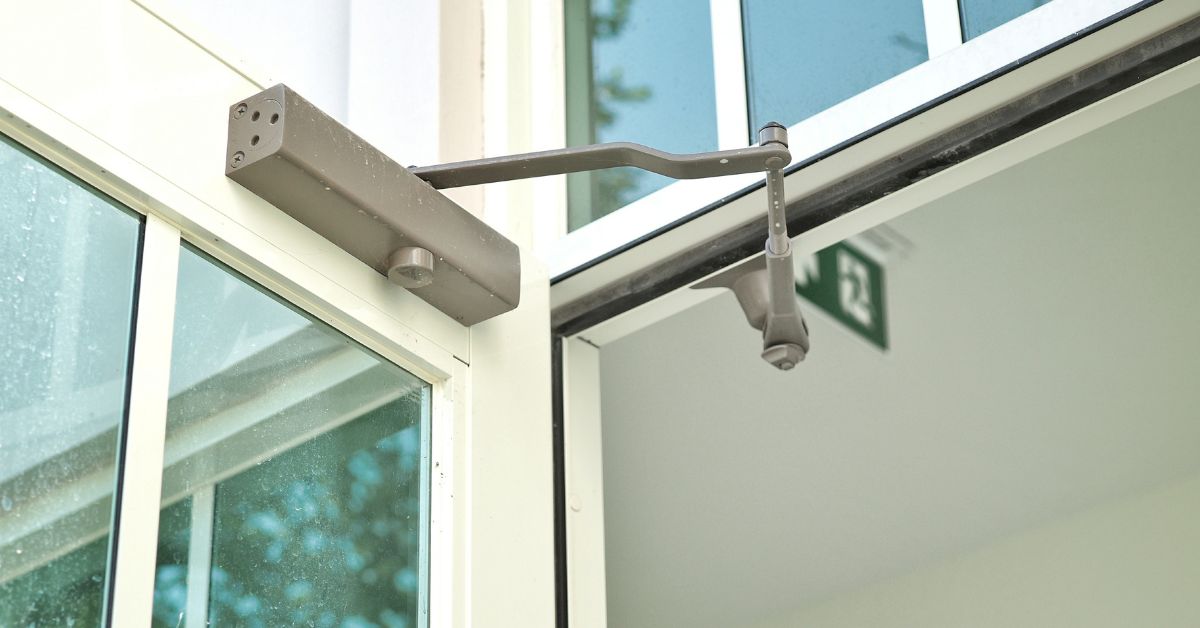
A well-adjusted commercial door closer is a critical component of a safe, secure, and professional-looking business environment. By learning to perform these simple adjustments, you can address minor issues before they become major problems and ensure a seamless experience for everyone who walks through your doors.
Regular checks will keep your closers in top condition, reflecting the care and attention to detail that you put into every aspect of your business. Contact Door Hub to find the best products for your doors, and keep your business running smoothly.
Author
Greg Richard
Chief Technical Officer and Founding Member of DoorHub.com