Tips for Choosing the Right Hardware for All-Glass Doors
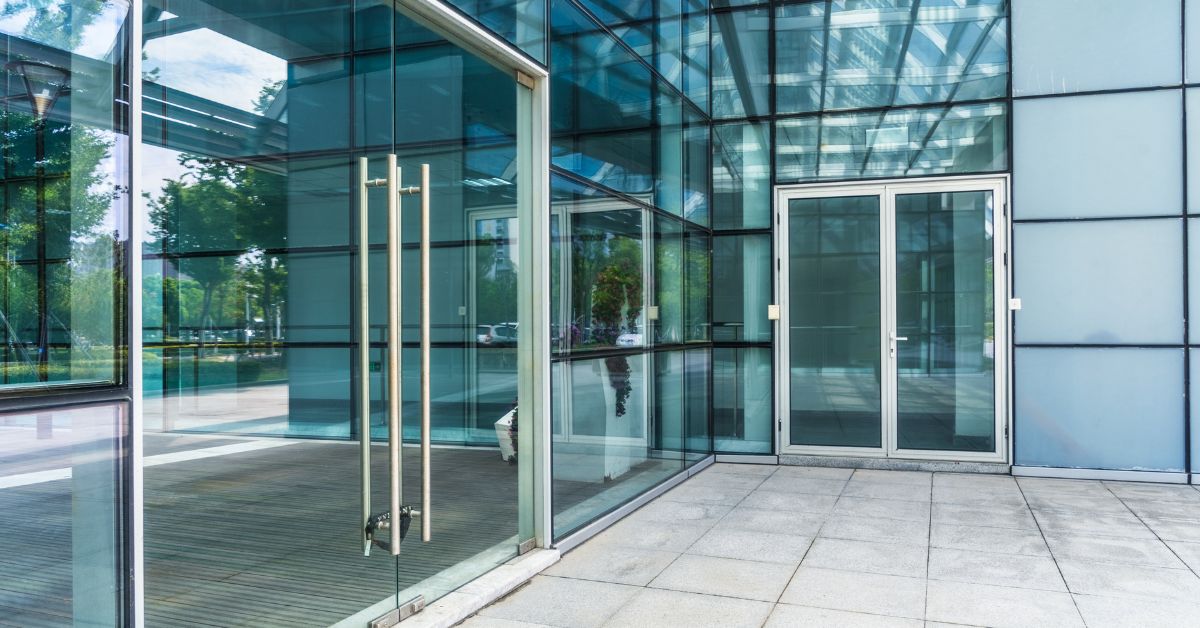
All-glass doors create a stunning visual impact in commercial and residential spaces, and the right hardware can affect both their aesthetic appeal and functionality. Have you ever noticed how the wrong hardware can turn an elegant glass entrance into an eyesore, while the perfect selection enhances the door's transparency and modern appeal?
Selecting hardware for all-glass doors requires balancing several critical factors: structural integrity, visual aesthetics, security requirements, and long-term durability. Unlike traditional doors with frames that can hide mounting points and distribute weight, glass doors demand hardware that performs flawlessly while maintaining an appealing appearance.
Poor hardware choices can lead to stress fractures that compromise your door's safety. The following tips for choosing the right hardware for all-glass doors can help you make an informed decision.
Understanding All-Glass Door Hardware Basics
All-glass door hardware differs significantly from traditional door hardware because it must attach directly to the glass surface without compromising structural integrity. The hardware serves multiple functions: supporting the door's weight, providing secure closure mechanisms, and maintaining the door's aesthetic appeal.
Weight Distribution Considerations
Glass doors are heavier than most people realize. A standard commercial glass door can weigh between 100 and 200 pounds, depending on thickness and size. Your hardware must distribute this weight evenly to prevent stress concentration points that could lead to cracking or failure.
The mounting method becomes crucial here. Quality hardware uses specialized clamps, brackets, or structural glazing techniques that spread loads across larger glass surfaces rather than creating point loads that could cause damage.
Thermal Expansion Factors
Glass expands and contracts with temperature changes more than many other door materials. Your hardware selection must accommodate this movement without binding or creating excessive stress. Look for hardware designs that include thermal expansion joints or flexible mounting systems.
Types of Hardware for All-Glass Doors
The right hardware not only ensures the door operates smoothly and safely but also complements the sleek, modern look of glass installations. Different types of hardware are designed to address specific needs, such as durability, ease of use, and adaptability to varying door designs.
Hinges and Pivot Systems
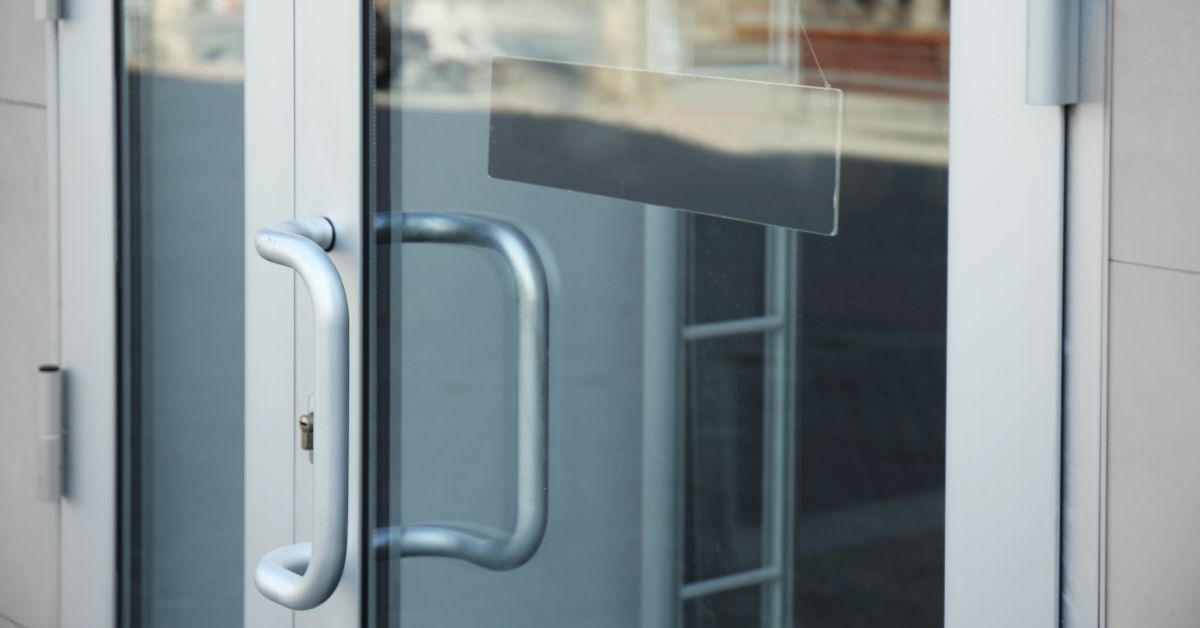
Traditional hinges won't work with all-glass doors, so you'll need specialized pivot systems or glass-specific hinges. Pivot systems are particularly popular because they distribute weight more effectively and create smooth operation.
Floor-Spring Pivots offer excellent weight support and automatic closing features. These systems mount the pivot point at the floor and top of the door frame, allowing the door to swing smoothly while supporting substantial weight.
Continuous Hinges designed for glass doors run the full height of the door, distributing stress across the entire edge rather than concentrating it at traditional hinge points.
Handles and Pull Systems
Handle selection impacts both functionality and appearance. All-glass doors typically use one of several handle mounting approaches:
Through-glass mounting involves drilling holes through the glass to bolt handles directly to both sides. This provides the strongest connection but requires precise installation and high-quality glass to prevent cracking around mounting holes.
Clamp-on systems attach handles using specialized clamps that grip the glass edge. These systems avoid drilling holes but may have weight limitations and specific glass thickness requirements. Structural glazing mounts integrate handles into the structural glazing system, creating a seamless appearance while maintaining strong connections.
Locking Mechanisms
Security hardware for all-glass doors must balance protection with the door's transparent aesthetic. Your options include the following locking mechanisms:
- Electromagnetic locks mount to the door frame and create a strong holding force without visible hardware on the glass surface. These systems integrate well with access control systems but require backup power.
- Mortise locks designed for glass doors use specialized mounting systems that don't require traditional door stiles. The lock body mounts within the floor or frame structure.
- Patch locks are popular for commercial applications, mounting directly to the glass surface and providing both locking and structural support functions.
Key Factors in Hardware Selection
Since your hardware is visible in all-glass doors, you have to consider both aesthetic and strength requirements when selecting hardware. Consider these different factors to make the best decision for your doors.
Structural Requirements
Your hardware must handle the door's weight while accounting for dynamic loads from opening and closing, as well as potential wind pressure. Commercial applications typically require hardware rated for higher cycle counts and heavier doors than residential uses.
Calculate the total door weight, including glass thickness, any laminating materials, and additional features like tinting films. Add a safety margin of at least 25 percent when selecting hardware weight ratings.
Environmental Conditions
Consider the environment where your door will operate. Coastal areas require corrosion-resistant finishes, while high-traffic areas need hardware designed for frequent use.
Temperature extremes affect both glass expansion and hardware operation. In climates with significant temperature swings, choose hardware with appropriate thermal-expansion provisions and all-weather operation.
Aesthetic Integration
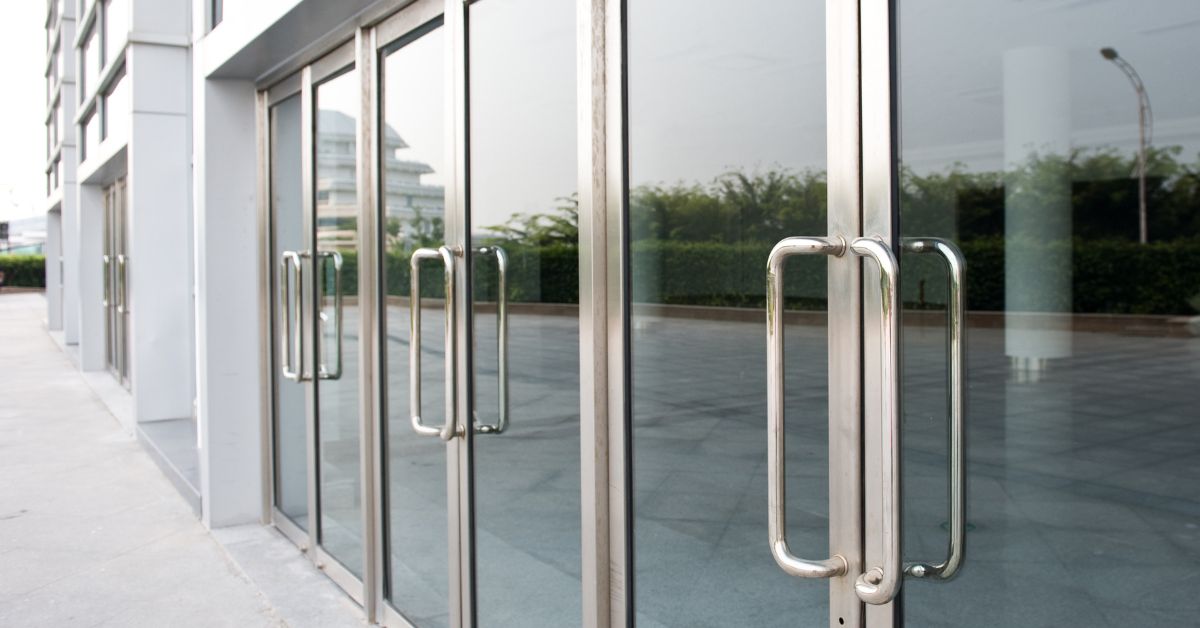
Hardware should complement, not compete with, the glass door's clean lines. Minimize visible mounting points and choose finishes that coordinate with surrounding architectural elements.
Consider the sight lines from different viewing angles. Hardware that looks elegant from the front might appear bulky or distracting from the side or when viewed through the glass.
Security and Access Control
Determine your security requirements early in the selection process. High-security applications may require specialized locking hardware, which can influence other hardware choices.
If you're integrating with electronic access control systems, ensure your hardware selections are compatible with the card readers, keypads, or biometric devices you plan to use.
Installation Considerations
Proper installation is crucial to the performance and longevity of all-glass door hardware. Glass doors require precise measurements and specialized installation techniques that differ from those for traditional doors.
You might need to prepare the glass before installing the hardware. Some systems need holes drilled, edges polished, or specific glass thickness requirements met. This work typically must be completed before the glass is tempered, so planning is essential.
Also, consider that the structural support for mounting points must withstand the combined loads from door weight and operational forces. Door frames, floor anchors, and overhead supports all need appropriate sizing and installation.
Adjustment and Alignment procedures for glass door hardware are typically more critical than traditional door systems. Small misalignments can create stress concentrations that lead to glass failure or premature hardware wear.
Making Your Final Selection
Start by clearly defining your requirements: door size and weight, security needs, expected usage levels, and aesthetic preferences. Create a specification that potential suppliers can use to recommend appropriate hardware systems.
Consider long-term factors, including maintenance requirements, replacement part availability, and warranty coverage. Quality hardware systems may cost more initially, but often provide better value through longer service life and lower maintenance costs.
Don't forget about professional installation. All-glass door hardware installation requires specialized knowledge and tools. Factor in installation costs and complexity when making your decision.
Elevating Your Space With the Right Choice
Selecting appropriate hardware for all-glass doors combines technical requirements with aesthetic vision. The right hardware enhances your door's elegant transparency while providing reliable, secure operation for years to come.
Shop at Door Hub to find the right door hinge hardware for your glass doors. We offer a variety of options that will complement your business’s aesthetic and needs. Contact us today to find the best choice for your doors.

Author
Michael Rega
Chief Marketing Officer and founding Member of DoorHub.com